Carolina Brandão on Bringing Business and Society to the Same Table
Carolina Brandão's ('17) career has brought together two worlds: art and international affairs. A contemporary dancer before joining Sciences Po, she went on to work on global health and sustainable agriculture at the Gates Foundation and the World Economic Forum, before moving to Washington, D.C., where she now leads market engagement at the Taskforce on Inequality and Social-related Financial Disclosures. This article is part of a series of portraits published in partnership with the Sciences Po American Foundation to show the diversity of Alumni careers throughout the world and especially in the US.
Written by Tanya Akl
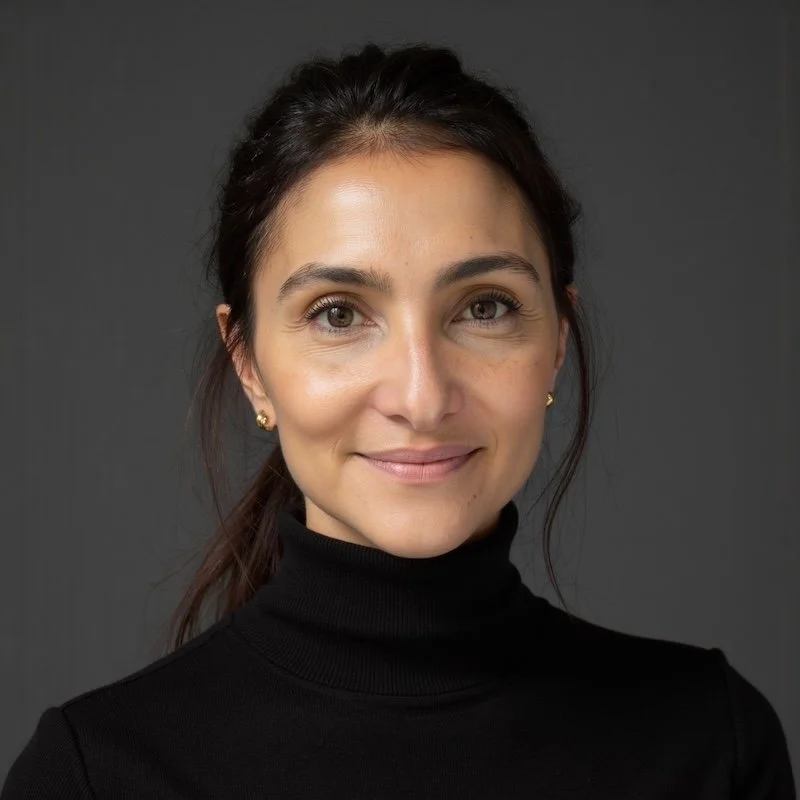
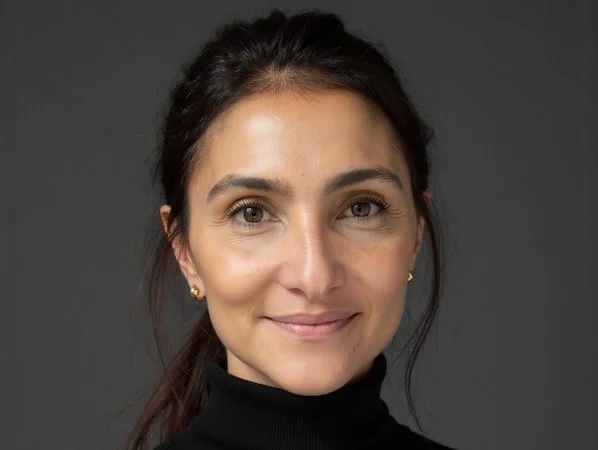
Carolina Brandão (promo ‘17) - All Rights Reserved
Before pursuing a career in international affairs, Carolina Brandão was a contemporary dancer. Today, as Head of Market Engagement at the Taskforce on Inequality and Social-related Financial Disclosures (TISFD), she works with companies and investors worldwide on one of the fastest-emerging questions in sustainability: how business affects people. The path between the two ran through Sciences Po.
Ballet-trained, she performed and created politically engaged dance pieces while evaluating education projects across Brazil. Moving between art and social science, she witnessed the inequalities shaping her country and began asking how countries could learn from one another to address shared challenges. The answer, she decided, lay in international relations. In 2015, she moved to Paris to pursue a master's in International Public Management at Sciences Po's Paris School of International Affairs (PSIA), drawn by France's intellectual traditions and the opportunity to bring her artistic and academic interests together.
"Sciences Po was the first place where I felt fully myself," she says. "I had both the social scientist side and the artist side coming together, and there was no separation between them."
““Sciences Po was the first place where I felt fully myself. I had both the social scientist side and the artist side coming together, and there was no separation between them.””
That openness shaped her academic experience. In some classes, she even incorporated dance into her social analysis, drawing on a different form of expression to explore political and social questions. For Brandão, the ability to move between disciplines reflected a broader philosophy of understanding people and societies from multiple perspectives.
Outside the classroom, she embraced the same spirit of exploration. Alongside her coursework, she helped launch a student association called The Alliance, where she took on a role focused on gender equality. In the aftermath of the 2015 Paris attacks, she also helped organize an art competition exploring how creative expression could engage with terrorism’s effects on individuals and society. The initiative attracted submissions from students and culminated in an exhibition at Sciences Po. She contributed to Émile, Sciences Po's alumni magazine, writing and editing articles as part of the magazine’s first international cohort of student editors.
She also became involved in the university's inaugural Youth & Leaders Summit, where she was selected as one of a handful of students to speak about borders. Rather than focusing on national boundaries, Brandão explored the internal borders she navigated between her identities as an artist and a social scientist. She later brought the talk to L’Échappée Volée, a French festival bringing together thinkers and organizations for conversations and presentations.
Equally important were the people she encountered. Studying at PSIA brought together students from across the world, each arriving with different experiences, professional backgrounds, and ways of understanding global affairs. The resulting conversations challenged assumptions and encouraged students to articulate not only what they believed, but why. "Every debate came from a place of pure knowledge-building," she says.
While completing her degree, Brandão joined the Gates Foundation in Paris, working on global policy and advocacy and building relationships with the French government and NGOs on global health and international development. In 2018, she moved to Geneva to join the World Economic Forum, where she spent nearly six years working on nature and sustainable agriculture. She advised companies such as Nestlé, Unilever, IKEA, Mars, and Walmart as they navigated evolving regulation on sustainability, and engaged with governments and other stakeholders across Europe, Latin America, and Southeast Asia, leveraging moments like Davos and COP26.
For Brandão, the Forum's role as a convener was particularly meaningful. Bringing together businesses, governments, and civil society to navigate different priorities and find common ground became a defining feature of her work, one that continues to shape her career.
That same approach now defines her work in Washington, D.C., where she moved in 2024 and joined TISFD. There, she leads the Taskforce’s engagement with companies, investors and financial institutions, helping them understand and report on their impacts on people, including inequality and human rights, as these issues move higher on investors and regulators’ agendas. For Brandão, the stakes go well beyond compliance. “Too often, social impact is treated as a reporting exercise. But a business can’t succeed over the long term in societies marked by deep inequality. Understanding your impact on people is really about understanding your own resilience.”
““Too often, social impact is treated as a reporting exercise. But a business can’t succeed over the long term in societies marked by deep inequality. Understanding your impact on people is really about understanding your own resilience.””
It is a view that ties her career together. “The climate and nature transitions depend on people. If workers, communities, and customers don’t share in the benefits, those transitions won’t last. Having worked on nature and now on inequality, I see them as one agenda, not two”, she says.
Just as consistent has been her conviction that no single actor can solve global challenges alone. Throughout her career she has built partnerships, engaged stakeholders, and brought together people with different starting points to find common ground. At TISFD, that conviction is built into the work itself: "We're essentially co-building, in partnership with academics, civil society, and companies."
It is a way of working she traces back to Sciences Po. Beyond teaching her to work efficiently across different subjects, debating with classmates from around the world taught her to explain her own perspective while engaging respectfully with people whose assumptions differed from hers.
"Being comfortable in that environment and thriving in that environment is something that has stayed with me," she says. Today, working with stakeholders across continents, that ability remains central to her approach.
““Say yes to what comes your way and try things out. Learn from other people’s experiences. You never know what roads will open for you, or what you’re going to find out about yourself.” ”
Her advice to current students reflects the way she approached her own time at Sciences Po: "Say yes to what comes your way and try things out," she says. “Learn from other people's experiences. You never know what roads will open for you, or what you're going to find out about yourself.”
Learn more about Brandão’s work with TISFD, a global initiative helping companies and financial institutions understand and address their impacts on people, inequality, and human rights.