Rewriting the Playbook: Fred Tan on Strategy, Values, and Change
Fred Tan is a Social Impact and Philanthropy leader at Hewlett Packard Enterprise in the United States. In this capacity, he oversees initiatives through the HPE Foundation while advising business leaders on integrating social impact across corporate strategy. A graduate of Sciences Po (Master’s 2018, International Security), Tan has built a career at the intersection of policy, consulting, and sustainable business, with previous experience at Deloitte and collaborations with organizations such as the United Nations and the Clinton Global Initiative. This article is part of a series of portraits published in partnership with the Sciences Po American Foundation to show the diversity of Alumni careers throughout the world and especially in the US.
By Tanya AKL
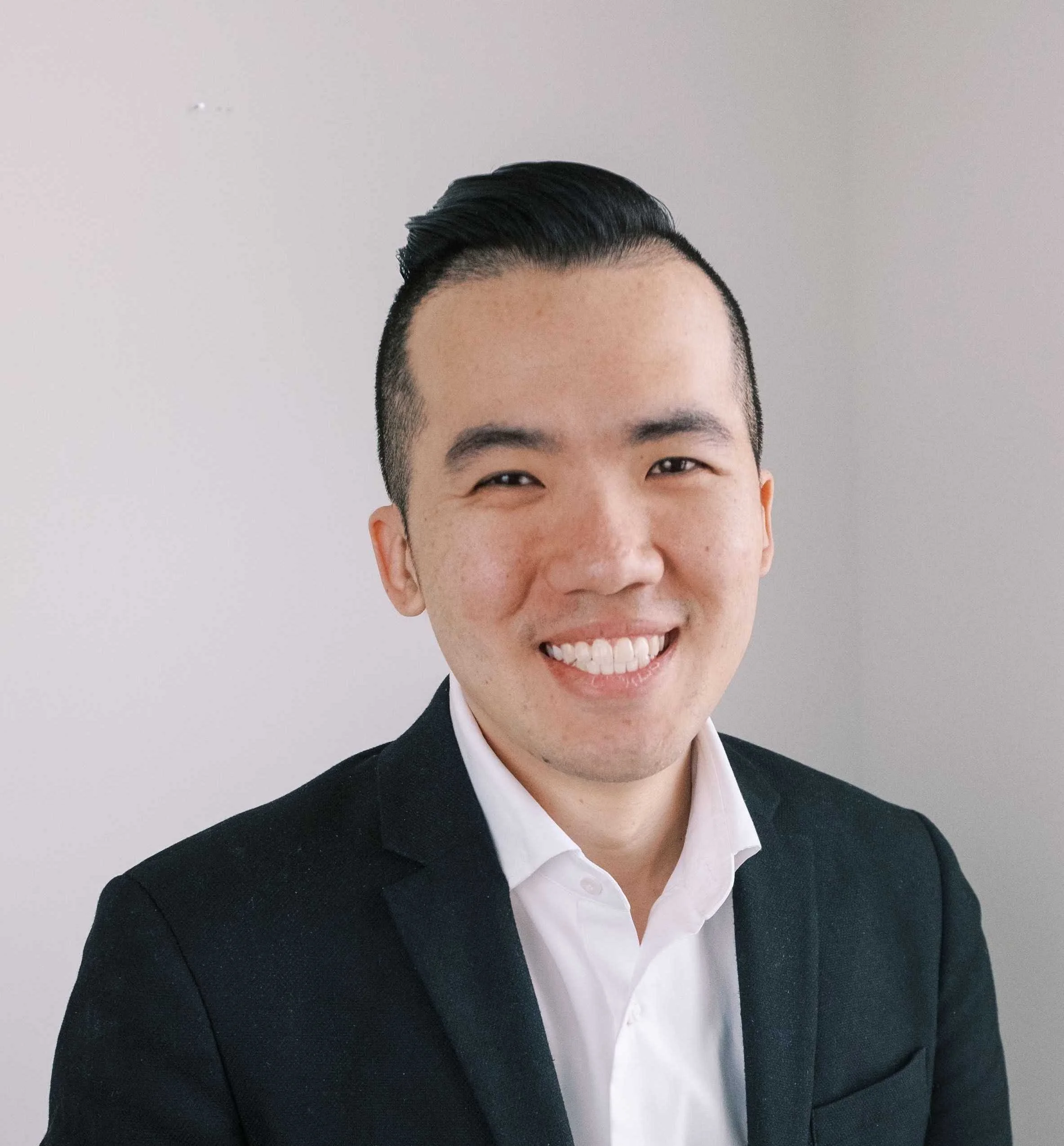
Fred Tan, Social Impact and Philanthropy leader at Hewlett Packard Enterprise in the United States. (All rights reserved)
For Fred Tan, career paths were never meant to be linear. Instead, his career has been shaped by a consistent thread: understanding people, navigating complexity, and driving meaningful impact across sectors. What began as an academic focus on conflict resolution and global policy has evolved into a multifaceted role at the intersection of philanthropy, corporate strategy, and social impact.
Drawn initially to Sciences Po for both practical and pragmatic reasons, including its affordability compared to U.S. programs, Tan quickly found deeper value in the institution’s distinctive approach to education. The International Security program offered a balance that stood apart: rigorous theoretical grounding paired with direct exposure to practitioners who had operated at the highest levels of diplomacy, policy, and international affairs.
“The appeal was learning from people who had actually done the work,” he explained. “Not just testing hypotheses in controlled environments, but understanding how things unfold in reality- where variables can’t be contained, and outcomes depend on creativity and adaptability.”
This emphasis on practice over abstraction became a defining feature of Tan’s experience. Courses in negotiation and conflict mediation, in particular, left a lasting impression. Rather than searching for universal “best practices,” students were encouraged to engage with nuance, learning how context, incentives, and human behavior shape outcomes. It was an approach that challenged rigid thinking and fostered intellectual flexibility.
Before pursuing graduate studies, Tan had already built a foundation across government service in Singapore, policy research, and boutique consulting. Drawing on skills developed at Sciences Po, Tan joined Deloitte, working on sustainability initiatives across the Asia-Pacific region. There, he collaborated with organizations such as the United Nations and the Clinton Global Initiative, helping to build new frameworks for ethical business practices in emerging markets. The role combined global exposure with hands-on problem solving, reinforcing the importance of cultural awareness and locally grounded solutions.
Tan returned to the United States and joined one of the world's leading organizations supporting impact-driven, seed-stage startups, backing impactful entrepreneurs and innovation ecosystems as engines of systemic change and sustainable development. This work further deepened his commitment to aligning economic strategy with social outcomes.
Today, Tan holds a dual role at Hewlett Packard Enterprise (HPE), where he oversees philanthropic initiatives through the HPE Foundation while also serving as an internal advisor on social impact across the business. His work spans a wide range of issues, advising business leaders on topics from diversity and inclusion to human rights, employee well-being, and the societal implications of emerging technologies like artificial intelligence.
In many ways, his position reflects a new kind of career path for Sciences Po graduates that extends beyond traditional roles in government or international organizations. Acting as a “connective tissue” within the company, he brings together teams across research and development, finance, government relations, and corporate strategy. The goal is not only to align business objectives but to integrate social considerations into how products are designed, investments are made, and long-term strategies are defined, connecting impact ambitions to innovation opportunities and ultimately to revenue.
“The skills from international security show up everywhere,” he noted. “Negotiation, understanding incentives, mediating between different stakeholders… those are things I use every day, just in a business context rather than a geopolitical one.”
““If everyone followed the same best practices, nothing would change [...] Real impact comes from trying something new...””
A key theme in Tan’s work is a skepticism toward the idea of universal solutions. Whether in philanthropy or corporate strategy, he argues against the notion of a single “playbook” for success. Instead, he emphasizes adaptability, experimentation, and context-driven decision-making. “If everyone followed the same best practices, nothing would change,” he said. “Real impact comes from trying something new, something that hasn’t been done before, and being willing to adjust along the way.”
This mindset traces directly back to his time at Sciences Po, where exposure to diverse perspectives and methodologies encouraged independent thinking. Just as importantly, the experience helped him clarify his own values and sense of purpose. Beyond academics, he highlighted the importance of relationships formed during his studies. The global network of peers, now spread across industries and continents, remains one of the most enduring aspects of his Sciences Po experience.
“Information changes, and what you learn in class evolves,” he reflected. “But the people you meet… those relationships stay with you. They become your support system, your collaborators, your perspective.”
For current students and recent graduates, his advice is both simple and nuanced: invest in those relationships, and take the time to understand what truly matters to you. “Figure out who you are and what you care about,” he said. “That becomes your compass. There’s no single right path. But if you know your direction, you’ll be able to navigate whatever comes next.”